About Queen of Chess
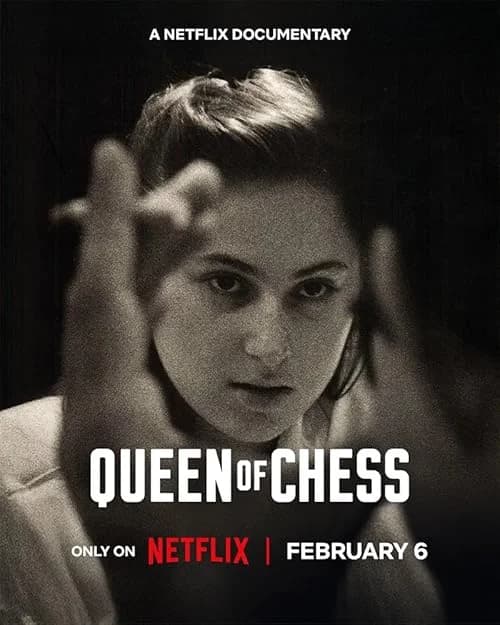
Queen of Chess (2026) is a compelling documentary biography that chronicles the extraordinary journey of Hungarian chess prodigy Judit Polgár. The film meticulously traces her 15-year ascent through the male-dominated world of competitive chess, focusing on her historic challenges against world champion Garry Kasparov and her complex relationship with her controlling father, who orchestrated her unconventional upbringing as part of a radical educational experiment. Through archival footage, interviews, and dramatic recreations, the documentary captures how Polgár shattered gender barriers to become not only the greatest female player ever but also one of the strongest chess players in history, regardless of gender.
The film excels in its nuanced portrayal of Polgár's psychological battles both across the chessboard and within her family dynamic. Directors skillfully balance the tension of high-stakes tournaments with intimate moments that reveal the personal cost of genius. The documentary's pacing mirrors a chess match itself—strategic, patient, and building toward dramatic crescendos during key historical games. Particularly powerful are the sequences detailing her matches against Kasparov, which are presented with clarity that makes them accessible to both chess enthusiasts and general audiences.
Viewers should watch Queen of Chess not just for its sports documentary elements but for its profound exploration of determination, family pressure, and social change. The film serves as both an inspiring portrait of exceptional talent and a thoughtful examination of how one woman transformed an entire field through sheer excellence. With an IMDb rating of 7.6 and a concise 93-minute runtime, this documentary offers a perfectly paced, emotionally resonant viewing experience that will appeal to anyone interested in remarkable true stories of overcoming obstacles to achieve historic greatness.
The film excels in its nuanced portrayal of Polgár's psychological battles both across the chessboard and within her family dynamic. Directors skillfully balance the tension of high-stakes tournaments with intimate moments that reveal the personal cost of genius. The documentary's pacing mirrors a chess match itself—strategic, patient, and building toward dramatic crescendos during key historical games. Particularly powerful are the sequences detailing her matches against Kasparov, which are presented with clarity that makes them accessible to both chess enthusiasts and general audiences.
Viewers should watch Queen of Chess not just for its sports documentary elements but for its profound exploration of determination, family pressure, and social change. The film serves as both an inspiring portrait of exceptional talent and a thoughtful examination of how one woman transformed an entire field through sheer excellence. With an IMDb rating of 7.6 and a concise 93-minute runtime, this documentary offers a perfectly paced, emotionally resonant viewing experience that will appeal to anyone interested in remarkable true stories of overcoming obstacles to achieve historic greatness.