About The Iron Lady
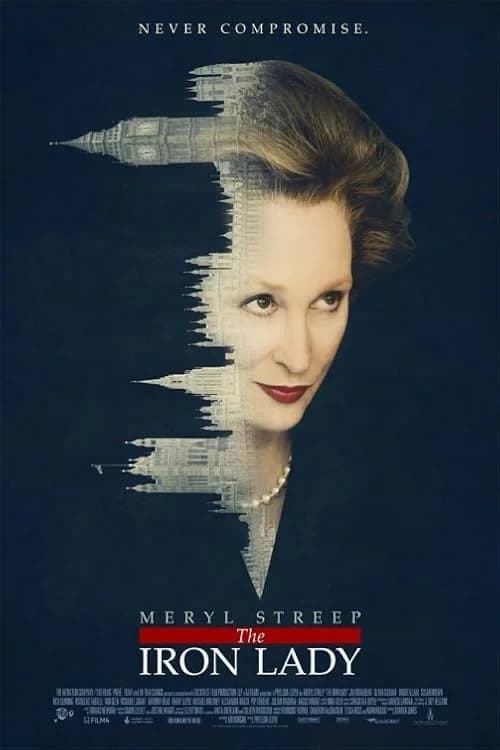
The Iron Lady (2011) offers a compelling and intimate portrait of Margaret Thatcher, Britain's first female Prime Minister, through a unique narrative lens. Directed by Phyllida Lloyd, the film masterfully interweaves scenes from Thatcher's political ascent and tumultuous premiership with present-day reflections as an elderly woman grappling with dementia and the loss of her husband, Denis (played with charming support by Jim Broadbent). This structure creates a poignant exploration of power, legacy, and the personal cost of a life lived in the political spotlight.
Meryl Streep's performance is nothing short of transformative, earning her a well-deserved Academy Award for Best Actress. She disappears into the role, capturing not just Thatcher's distinctive voice and mannerisms but also the steely resolve, vulnerability, and eventual isolation of the controversial leader. The film doesn't shy away from the polarizing nature of Thatcher's policies but frames them through the personal memories and regrets of its subject, making it a character study rather than a strict historical document.
Viewers should watch The Iron Lady for its exceptional central performance and its thoughtful, non-linear approach to biography. It's less about political point-scoring and more about the human being behind the public icon—the sacrifices made, the relationships strained, and the memories that remain when power has faded. The production design and makeup are also superb, seamlessly aging Streep and recreating key moments in late 20th-century British history. Whether you're interested in political history or powerful dramatic performances, this film provides a moving and memorable cinematic experience.
Meryl Streep's performance is nothing short of transformative, earning her a well-deserved Academy Award for Best Actress. She disappears into the role, capturing not just Thatcher's distinctive voice and mannerisms but also the steely resolve, vulnerability, and eventual isolation of the controversial leader. The film doesn't shy away from the polarizing nature of Thatcher's policies but frames them through the personal memories and regrets of its subject, making it a character study rather than a strict historical document.
Viewers should watch The Iron Lady for its exceptional central performance and its thoughtful, non-linear approach to biography. It's less about political point-scoring and more about the human being behind the public icon—the sacrifices made, the relationships strained, and the memories that remain when power has faded. The production design and makeup are also superb, seamlessly aging Streep and recreating key moments in late 20th-century British history. Whether you're interested in political history or powerful dramatic performances, this film provides a moving and memorable cinematic experience.